
If you’ve ever uploaded a video to YouTube and wondered why it didn’t take off, you’re not alone. Many creators — especially those making programming tutorials or other technical content — run into the same frustrating problem: the more you try to promote your video, the less YouTube seems to help.
It sounds backwards, but it’s a real quirk of the YouTube algorithm.
How the YouTube Algorithm Tests Your Video
When you upload a new video and don’t share it anywhere, YouTube quietly runs a test. It pushes the video to a small sample of viewers based on what it thinks your audience might be interested in.
For channels like mine, which focus on programming and niche topics, this test audience often isn’t the right fit. So while the video might get a trickle of views, it rarely breaks out to a larger audience.
Still, the key point here is: YouTube itself is actively promoting the video during this test phase.
The Paradox: Why Sharing Hurts YouTube Reach
Now here’s where things get strange. You’d think that posting your video on your website, blog, or social media pages would boost the results. After all, external promotion means more clicks, more watch time, and more exposure.
But in practice, it’s the opposite.
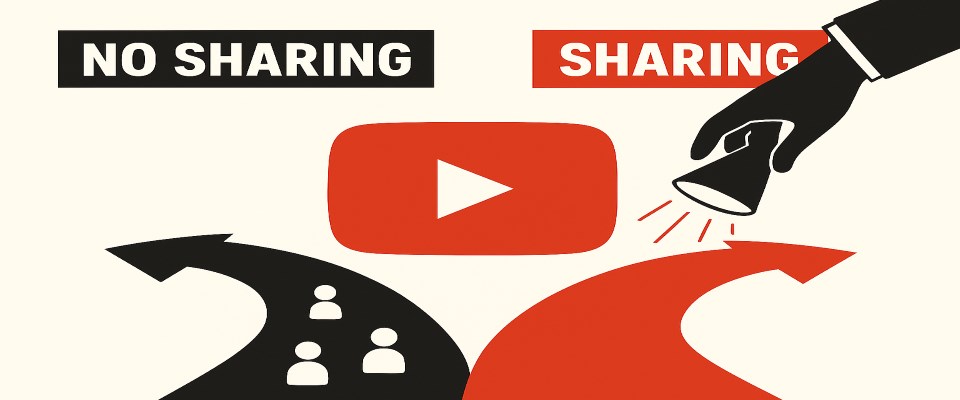
Once YouTube detects that most of your early views are coming from outside the platform, it often stops promoting the video internally. The algorithm seems to decide: “This video is being pushed externally, so we don’t need to recommend it further.”
That means:
This is what I call the YouTube promotion paradox.
Why This Matters for Niche Channels
For creators in mainstream categories (entertainment, lifestyle, gaming), this paradox might not sting as much. But for smaller, technical, or niche channels, it’s brutal.
The exact audience who would benefit most from your content often won’t even see it unless they already follow you directly. You’re essentially stuck between algorithm testing and external suppression.
How to Work Around the YouTube Algorithm
While there’s no magic fix, here are a few strategies that can help:
Final Thoughts
The YouTube algorithm isn’t broken — it’s just not built to favor niche creators who rely on external communities. If you’ve been frustrated by videos underperforming after you share them, you’re not imagining things.
Understanding this YouTube algorithm paradox can help you set smarter strategies, manage expectations, and grow your channel on your own terms.


